
International Mother Language Day 2026
ORANJESTAD – February 21 marks International Mother Language Day, a date proclaimed by UNESCO to promote linguistic diversity and multilingualism worldwide.
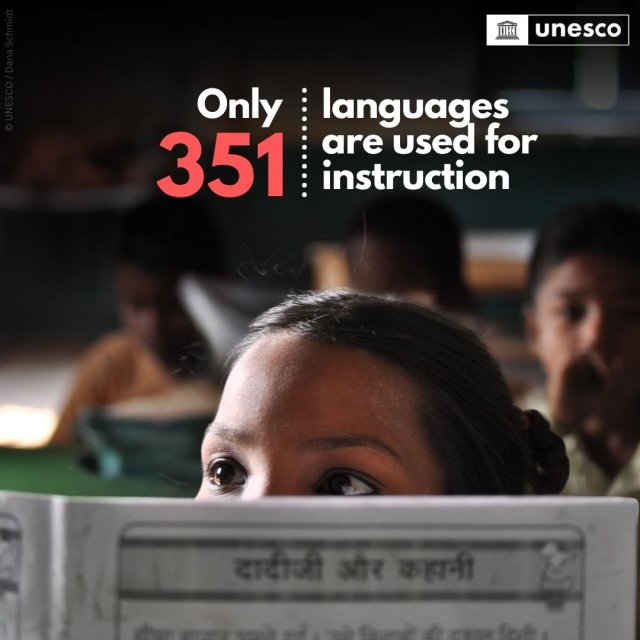
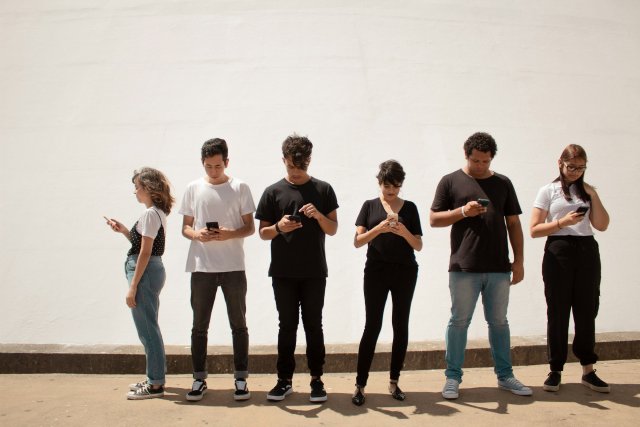
This year, UNESCO is highlighting the important role that young people play in this effort. Every year, many languages disappear around the world. Experts estimate that of the approximately 7,000 languages spoken globally, only about 300 are represented in education and fewer than 100 are used in the digital world. Young people can play an active role in preserving languages by creating digital content and using technology to make linguistic diversity more visible and more valuable.
Multilingualism
Aruba is a multilingual island that places great value on language proficiency, particularly in its four main languages: Papiamento, Dutch, English, and Spanish. Data from the 2020 census show that 1 in 3 residents (35%) speaks more than one language at home. Papiamento is the most widely spoken language, followed by Spanish, English, and Dutch. These four languages play an important role in Aruban society.
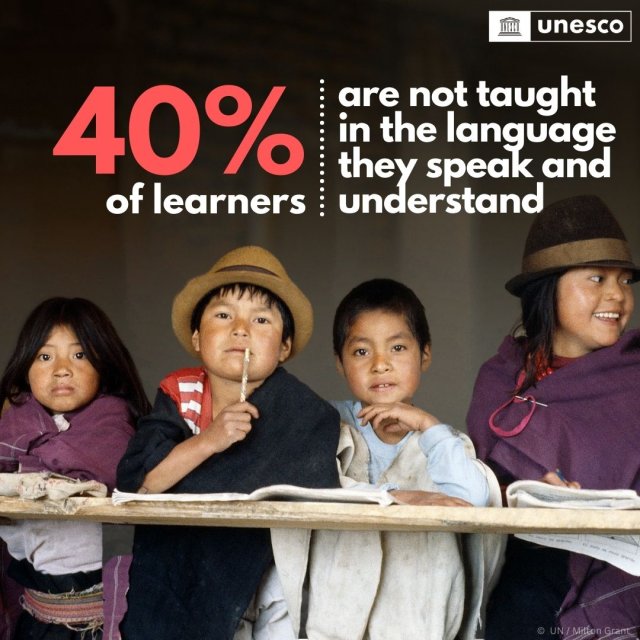
It is essential that Aruba’s multilingual character is also reflected in the education system. In 2023, the Minister approved the comprehensive language policy for education, in which all four languages play a significant role. In addition to these languages, it is equally important that children who speak other languages feel accepted and valued at school for who they are.
The Importance of Caring for and Preserving Language
In 2007, the United Nations General Assembly called on member states to preserve and protect all languages spoken by the world’s peoples. Linguistic diversity can serve as a tool for sustainable peace. Due in part to globalization, many languages are under pressure and gradually disappearing.
A key factor in keeping a language alive is passing it on from generation to generation. When children stop speaking a language, the risk of its disappearance increases. In today’s world, a strong presence in the digital sphere is also crucial to a language’s survival.
Papiamento
Papiamento is part of Aruba’s cultural heritage, the mother tongue of the majority of the population, and one of the country’s official languages. It is considered a vital language, meaning that it continues to be passed on from generation to generation by a sufficient number of speakers.
There have also been positive developments in the areas of education, literature, digitalization, and documentation. Examples include literacy programs in Papiamento, the publication of literary works, lectures and initiatives promoting the language, as well as digitalization projects and online platforms that enhance the visibility of Papiamento.
At the same time, it remains essential to continue investing in the care and further development of our language. This year, UNESCO specifically emphasizes the role of young people in this process. It is up to all of us to cherish and protect Papiamento.
More Information
For more information about Papiamento, please visit www.papiamento.aw. You can also follow @Papiamento.aw on Instagram and @PapiamentoAruba on Facebook.