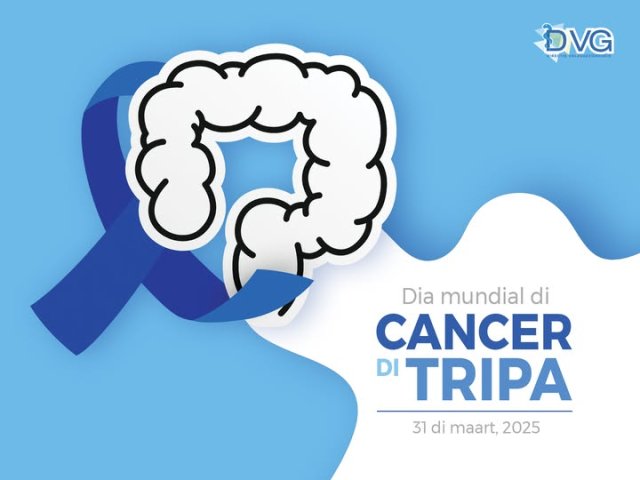
World Colon Cancer Day
ORANJESTAD – The world observes World Colon Cancer Day on March 31.
This day raises awareness about the importance of adopting healthier habits to prevent colon cancer and the necessity of early detection.
In light of this day, the Department of Public Health (DVG) wishes to share valuable information on detecting and preventing this disease.
Symptoms of colon or colorectal cancer can vary, and in some cases, there may be no symptoms at all, especially in the early stages. It makes regular screening crucial. However, when symptoms do appear, they may include:
Changes in bowel habits:
- Persistent diarrhea or constipation;
- Changes in the frequency or consistency of bowel movements;
- A feeling of incomplete bowel emptying;
- Stools that are thinner or narrower than usual;
- Rectal bleeding or blood in the stool, which may appear bright red or very dark.
Abdominal discomfort:
- Cramping;
- Gas;
- Persistent pain.
- Unexplained weight loss:
- Weakness;
- Fatigue;
- Anemia (pale skin, lack of energy).
Less grave conditions may also cause these symptoms. However, if you experience any of these symptoms, especially if they persist, it is crucial to consult your doctor.
What can we do to prevent colon cancer?
By adopting healthy habits and making lifestyle changes, you can help reduce the risk of developing colon or colorectal cancer.
Regular screening:
- This is the most crucial step. Screening can detect precancerous polyps, which can be removed before they develop into cancer. It can also detect cancer early when it is more treatable.
- Ask your doctor when to start screening and what steps to take. The common screening methods include colonoscopy and stool tests.
Healthy diet:
- Eat more fruits and vegetables: These provide essential vitamins, minerals, and fiber.
- Whole grains: High-fiber foods promote healthy digestion.
- Reduce: Consumption of red and processed meats.
- Lower fat intake: A low-fat diet is recommended.
Maintain a healthy weight:
- Being overweight or obese increases the risk of colon cancer.
- Regular exercise and a balanced diet help achieve and maintain a healthy weight.
Regular physical activity:
- Exercise reduces the risk of colon cancer. Aim for at least 30 minutes of moderate-intensity activity per day.
Limit alcohol consumption:
- Excessive alcohol consumption increases the risk of colon cancer.
- If you drink alcohol, do so in moderation.
No smoking:
- Smoking increases the risk of various types of cancer, including colon cancer.
- Quitting smoking is one of the best things you can do for your health.
Other considerations:
- Vitamin D and calcium: Some studies suggest that adequate intake of these nutrients may help reduce risk. Consult your doctor about vitamin and mineral supplements.
- Family history: Inform your doctor if colon cancer runs in your family, You may need to start screening earlier or more frequently.
By adopting healthy habits and undergoing regular screenings, you can significantly reduce your risk of developing colon or colorectal cancer.
Early detection and treatment are key!