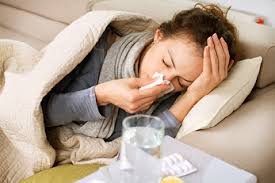
DVG Registers Increase in Cases of Fever with Respiratory Symptoms
ORANJESTAD — The Department of Public Health (DVG) informs the community that, based on data from its health surveillance system, it has observed an increase in cases of fever accompanied by respiratory symptoms and flu-like complaints.
Cases of influenza type B are also being registered. Additionally, various citizens have reported on social media that circulating flu strains are currently causing severe symptoms.
Protect the Most Vulnerable
The DVG encourages the community—and particularly groups at an increased risk of complications—to take preventive measures. These vulnerable groups include:
- Adults older than 60
- Young children under the age of 5
- Pregnant women
- Individuals with chronic illnesses or conditions that may weaken their immune system
These groups are advised to wash their hands regularly with soap and water or use hand sanitizer, avoid close contact with sick individuals, take medications as prescribed, and consider getting a flu vaccine. The flu vaccine is already available at the DVG's Infectious Disease section. For more information regarding vaccination, you can call 522-4200.
If You Are Sick, Protect Others
If you have a fever, cough, sore throat, muscle aches, headache, fatigue, or other flu symptoms, stay home and limit contact with others as long as you are ill. Avoid crowded places and refrain from visiting vulnerable individuals.
Additionally, follow these basic guidelines:
- Cough or sneeze into your elbow.
- Wash your hands regularly.
- Ensure good ventilation at home.
- Drink plenty of fluids and get adequate rest.
Important Medication Advice
Do not use antibiotics on your own initiative, as antibiotics do not work against viruses such as influenza. Only use medications as prescribed by your primary care physician or specialist.
Contact your family doctor if your symptoms worsen, if the fever persists, or if you are concerned about your health condition. Seek immediate medical attention if you experience difficulty breathing, pain or severe pressure in the chest, confusion, severe weakness, or other signs of rapid deterioration.
Preventing the spread of respiratory infections is a shared responsibility. If you are sick, stay home. Take good care of yourself and protect others.
Stay informed
- Like the Department of Public Health (DVG Aruba) on Facebook;
- Follow directie_volkshondheid_aruba on Instagram;
- Download or check the Aruba Health App;
- Visit www.dvg.aw;
- Call 522-4200;
- Email servicio@dvg.aw;
- Follow the DVG WhatsApp Channel.
- Join the DVG WhatsApp Communities.