Aruba Formalizes Cooperation with Brasami for the Treatment of Addicts under guardianship
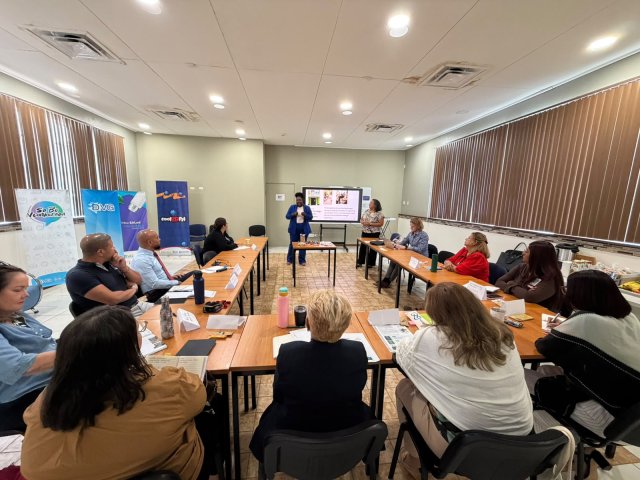
ORANJESTAD – On August 3 and 4, 2026, the Department of Public Health Aruba (DVG) hosted two working sessions featuring various stakeholders from the healthcare and justice sectors in Aruba.
Participants included representatives from Respaldo, Stichting Hunto, Veilig Huis Aruba, the Public Prosecutor's Office, the Probation Service, and Stichting Brasami from Curaçao.
The purpose of these sessions was to strengthen inter-agency collaboration and refine the content and procedures of an agreement between Aruba and Stichting Brasami, enabling court-mandated care. This initiative addresses the current lack of infrastructure in Aruba for mandatory inpatient addiction treatment.
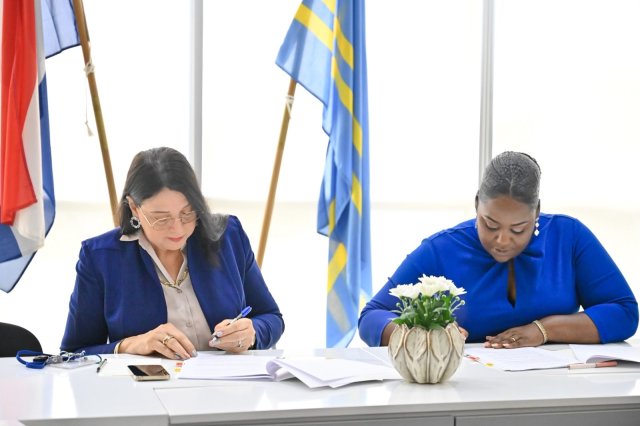
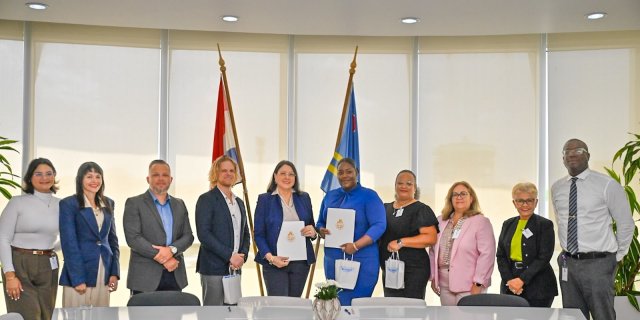
On Wednesday, August 5, 2026, Minister of Public Health, Social Affairs, Senior Care, and Addiction Care, drs. Mervin Wyatt-Ras, signed the agreement. This contract allows the Aruban government to utilize Brasami's services for a specific group of individuals struggling with addiction who have been placed under court supervision or guardianship.
It is important to emphasize that this program is not intended for everyone dealing with substance abuse. Rather, it is specifically designed for individuals who are in or facing judicial custody and require a specialized, intensive treatment plan. An advisory committee for long-term care abroad will serve as consultants throughout the entire process.
The six-month program at Brasami consists of four distinct phases:
- Detoxification
- Establishing structure and stability
- Intensive treatment
- Resocialization and community reintegration
Phase 4 (resocialization and reintegration) takes place in Aruba with the guidance and support of various local partners. This step is essential to help individuals apply the lessons learned during treatment, rebuild their lives, and gradually reintegrate into their families and communities.
During the sessions, Brasami shared foundational knowledge on addiction, its underlying causes, and their treatment philosophy. Discussions also covered admission criteria, required documentation, registration procedures, and each agency's responsibilities within the framework.
Through this partnership, Aruba is building a more structured and cohesive care network where treatment in Curaçao and follow-up care in Aruba form a seamless path forward. The ultimate goal is to give this vulnerable group a genuine opportunity for recovery, stability, and lasting reintegration into society.